We may be on the downswell, culturally, with our fixation on superheroes in films and television but I still feel there is plenty of room for superheroics in interactive entertainment. Rocksteady set the formula with their iconic Batman Arkham series. And Insomniac followed suit with its excellent Spider-Man titles and has their take on Wolverine on the way. Other titles, such as the criminally underrated Gotham Knights, also bring superhero action into your living room. And then there’s Tribute Games‘s Marvel Cosmic Invasion which builds on the classic beat-em-up genre and narrative games such as AdHoc‘s Dispatch that aim to tell the larger tale of managing superheroics in the city.
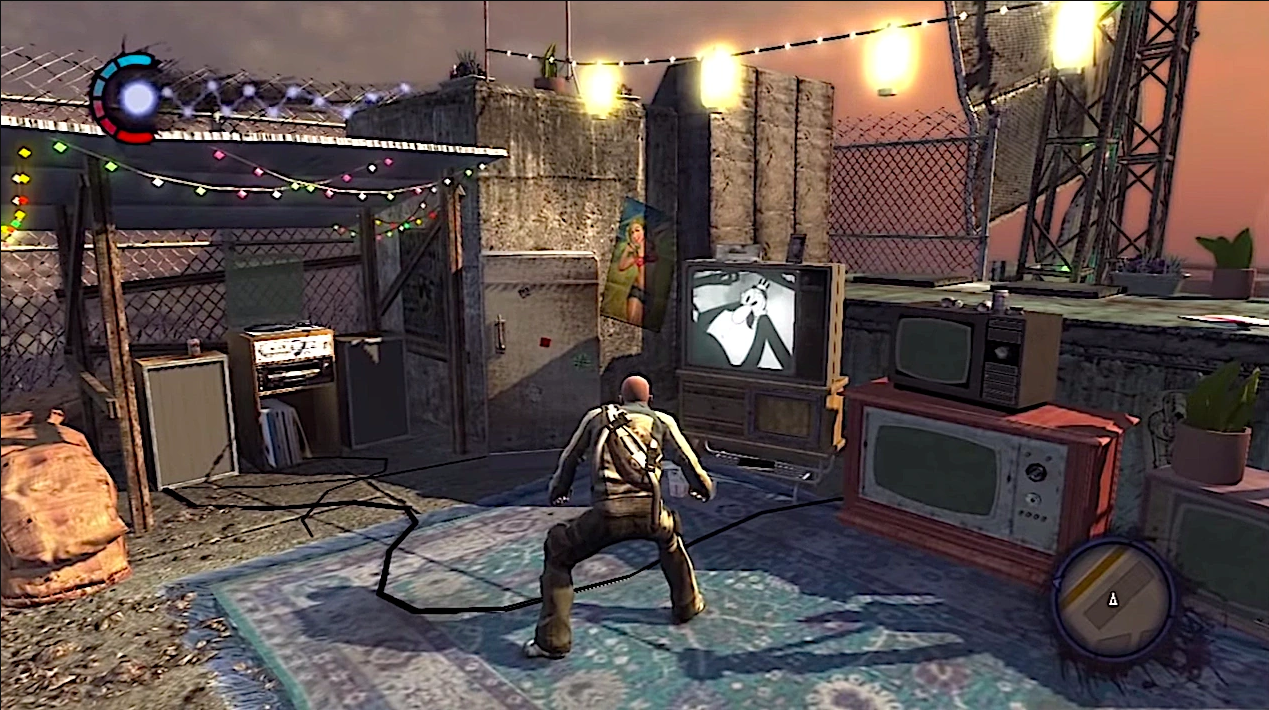
Okay, so maybe there are a lot of superhero video games. And maybe a lot of them fit into the open-world action mold. But Sucker Punch‘s grittier, more grounded Infamous stands tall in the field and is a game I would desperately love to see make a comeback.
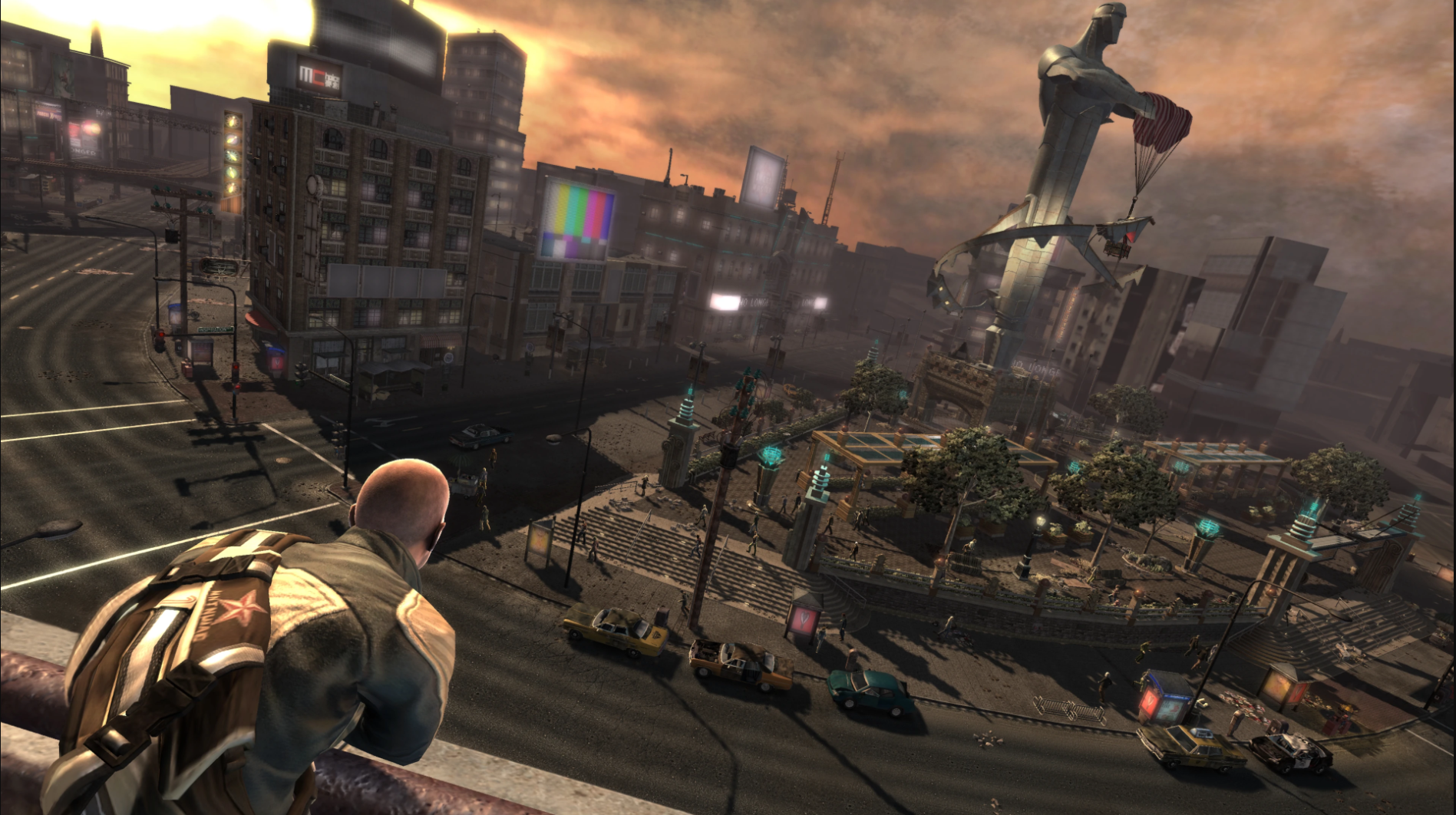
Infamous was developer Sucker Punch‘s big new IP after having released the original (and still unmatched) Sly Cooper trilogy. Published by the studio’s new owner and PlayStation platform holder, Sony, the game was a marquee title for the system. A hard pivot from the developer’s previous series, Infamous replaced the bright and cartoony visuals of Sly Cooper with a darker, dirtier aesthetic. The world wasn’t populated by anthropomorphic do-bads and a crime syndicate led by an owl but average humans and an oppressive government. The protagonist wasn’t a lovable rogue but a conflicted man who got to decide his fate: noble hero or self-serving anti-hero.
In the game, you play as Cole MacGrath, a bike messenger in the New Yorkesque Empire City who ends up standing dead center when a bomb goes off downtown. Instead of killing Cole, the explosion turns him into a conduit–the world’s term for superheroes–and gives him the ability to manipulate electricity. He can shoot current from his hands, fire ball lightning from his palms, and even generate lightning storms. As any good superhero can, he can also climb buildings and fall without taking damage, and ride the rails around the city. Unfortunately, due to the fact he’s constantly bristling with electrical energy, Cole cannot operate a vehicle or come into contact with water. What he can do—what he must do—is track down the person responsible for the explosion and his condition. A mysterious man known only as the Beast.
So, you have an inciting incident (the explosion), you have an inverted world (electrical superpowers), a goal (find the Beast) and now you face the question: how do you accomplish it? As a hero? Or as a villain?
And asking that question—and giving meaningful context and reward to your answer—is what helped Infamous stand out from its open world peers. While Bioware was already exploring that space, most famously with Star Wars: Knights of the Old Republic and Infamous‘s contemporary Mass Effect—this was our (at least my) first time seeing it outside of the roleplaying genre.
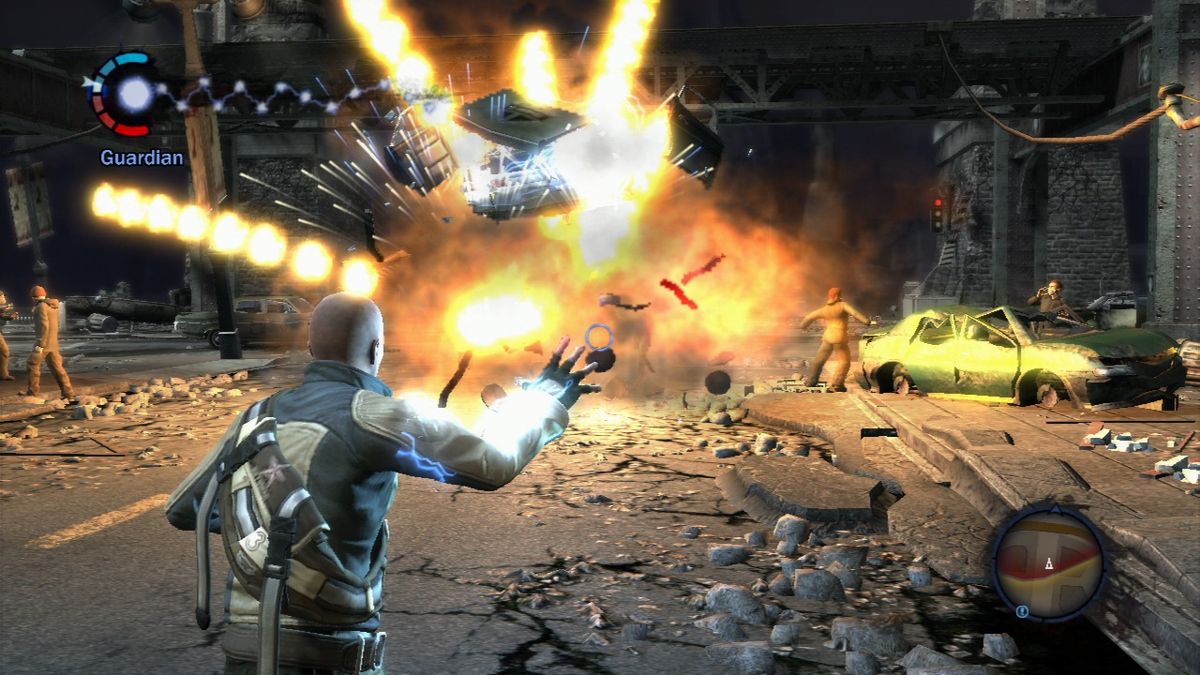
As Cole, you will face critical decision moments in the narrative but also in the moment-to-moment gameplay. Heal a wounded civilian or drain what’s left in them to heal yourself? Do the hard thing yourself or force a rando to do it for you? Players got to mold who Cole is: a savior of the people or a menace to society. It’s the classic “what would you do with Superman’s powers” chestnut turned into a game. And it worked really well. Your dominant path showed on Cole visually but also in the upgrades that became available to you. People in the street treated you differently depending on whether you were headed down the good path or bad. Completing one path’s side mission locks out the other’s. And, of course, story elements and the final act changed as well.
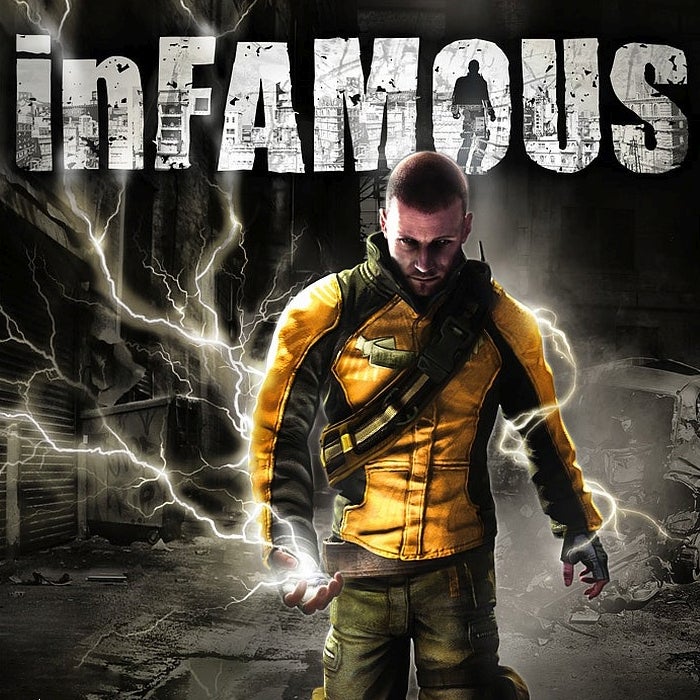
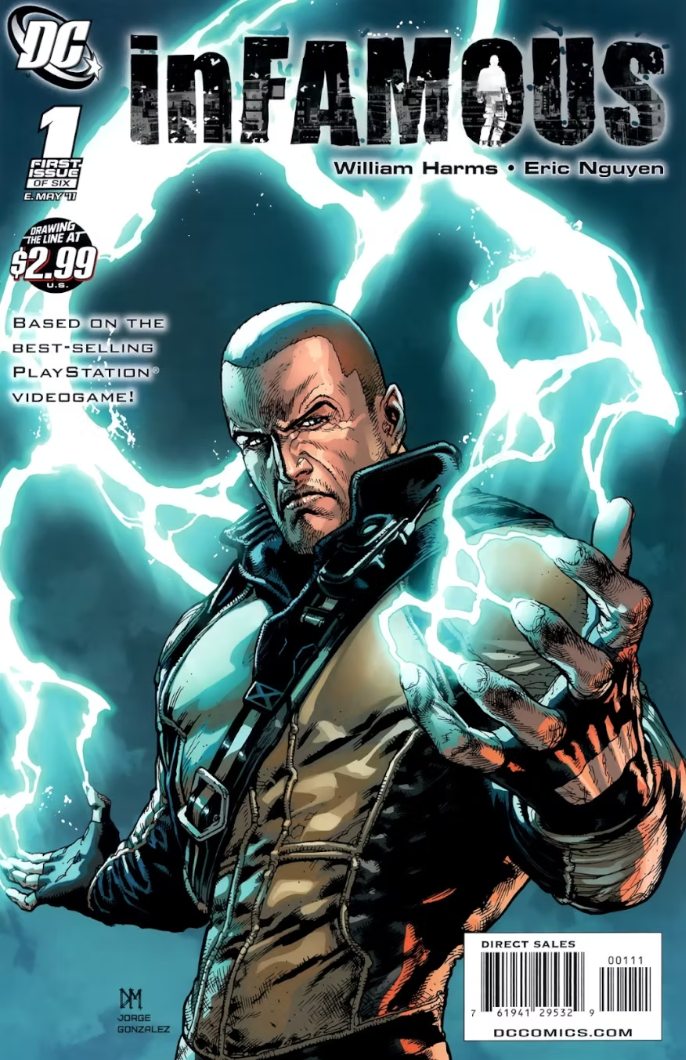
Infamous spawned quite a few follow-ups. The sequel, Infamous 2, took Cole to the New Orleans-inspired New Marais. The Halloween spin-off, Festival of Blood, is an apocryphal side story told by Cole’s buddy, Zeke. In it, Cole has been bitten by a vampire named Bloody Mary and must traverse the gulf city to kill her or be enslaved by her forever. When the series jumped from PS3 to PS4, the location and hero changed as well. Infamous: Second Son moves us from the fictional cities previously established to the very real Seattle. A new part of the country but also the home of the developer. The game’s protagonist, Delsin Rowe, is a graffiti artist who gains the ability to absorb other conduit’s elemental powers—from neon to smoke to concrete. The downloadable side story, Infamous: First Light, is a prequel that focuses on Delsin’s friend, Fetch, and her fight against the military force that once held her captive and the drug dealer who did her wrong. All of these titles kept the grounded feel, the elemental qualities of the powers, the parkour and rail-riding, and the “good or bad” branching decisions. The franchise also spawned a six-issue companion series published by DC Comics.
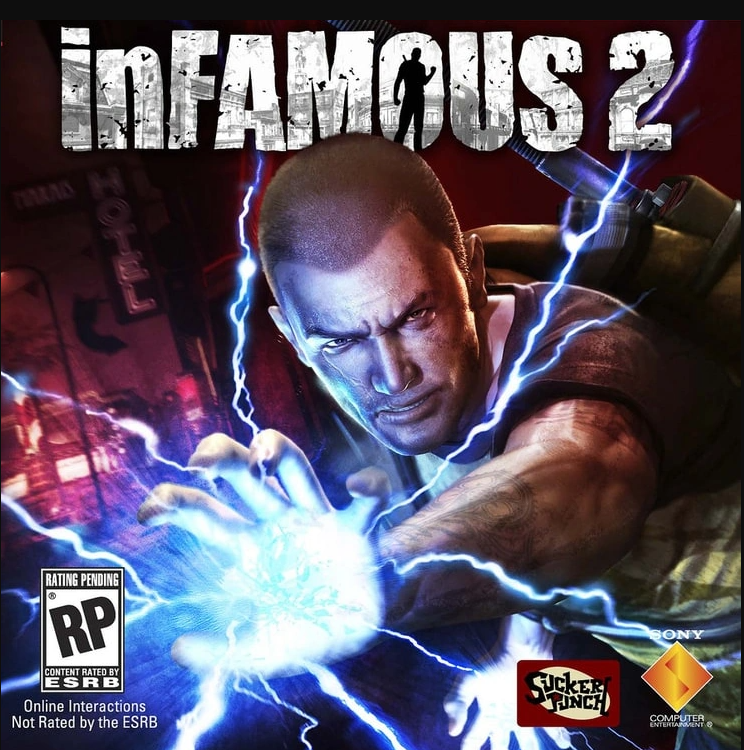
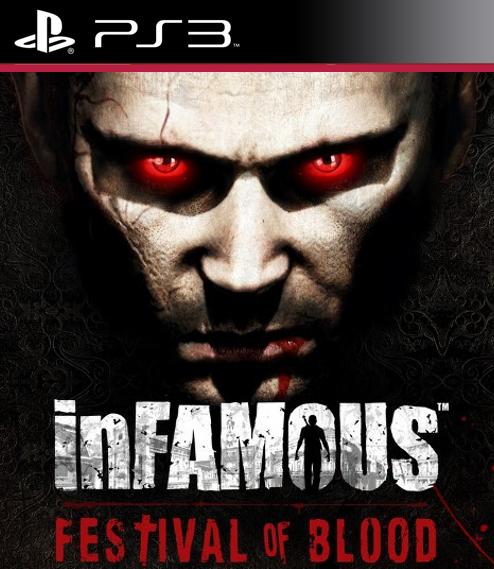
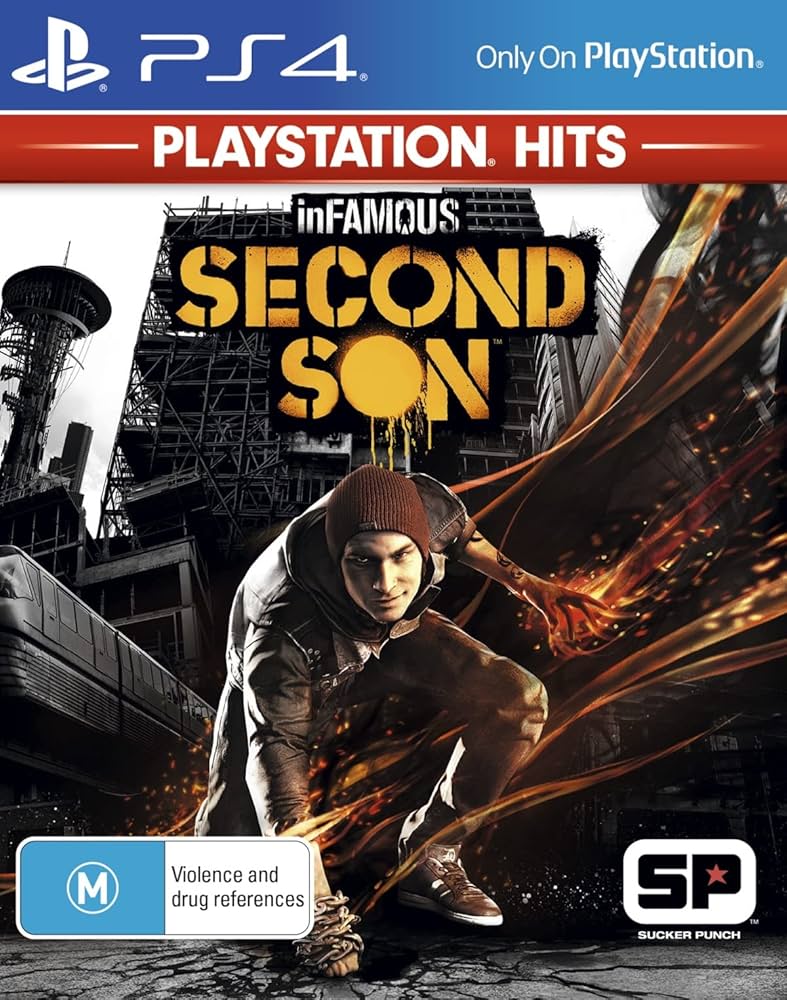
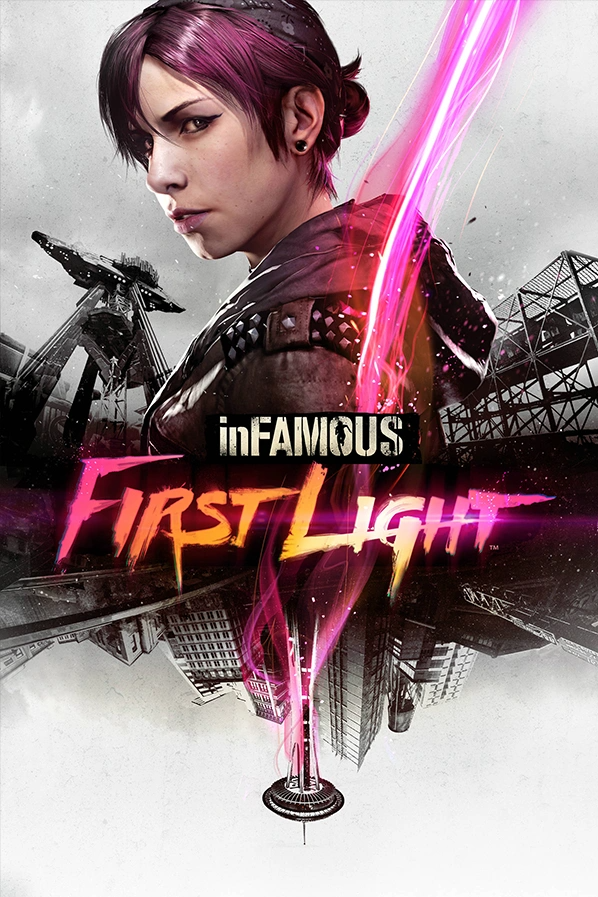
After the fifth installment of the franchise, Sucker Punch moved on to the samurai saga genre with 2020’s Ghost of Tsushima and last year’s standalone sequel Ghost of Yotei. Both excellent titles and, again, a departure from what Sucker Punch had been developing until that point.
Much like the Uncharted series, that I would eventually come to absolutely adore, I struggled getting into the Infamous. Despite a few false starts, though, it eventually clicked. And, once it did, I couldn’t get enough. I have played every title to completion—always choosing the good path, thank you—and it is a series that my soul aches to see continue.
If I had the chance, I would give a new entry in the Infamous my all. In this post-Endgame world of postmodern supers, the franchise stands apart not as an ironic indulgence or a winking dissection but an earnest addressing of the possibility and consequences of power. As every open-world superhero continues to build on Rocksteady’s Arkham formula, a new Infamous would continue along its own distinct evolution. Confident and convincing, a new game would continue to ask the question: Is it better to serve the world? Or serve yourself?